Source Light and Sound House Play Toy for Kids, Retailers, and Schools
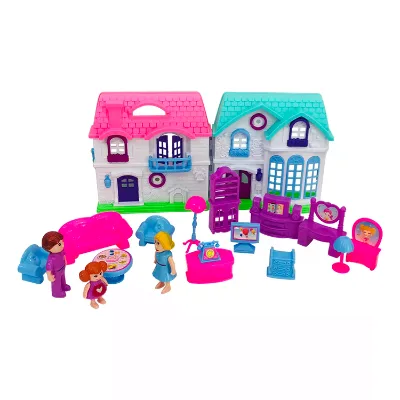
Explore 30 options for the light and sound house play toy designed for interactive pretend play. Compare features like music, lights, and assembly requirements across various models from China to find the best fit for your inventory needs; compare the available evidence and request quotations based on your requirements.
Key considerations
Products List


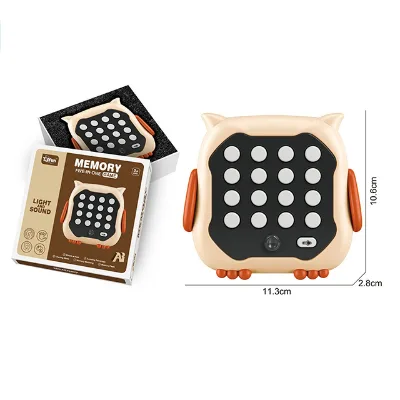
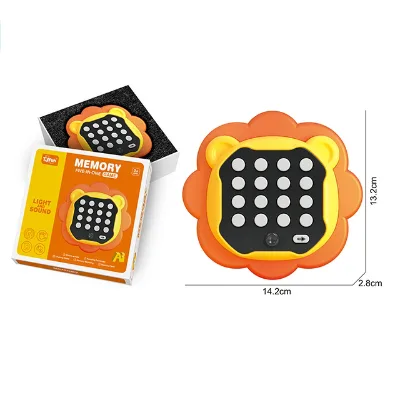


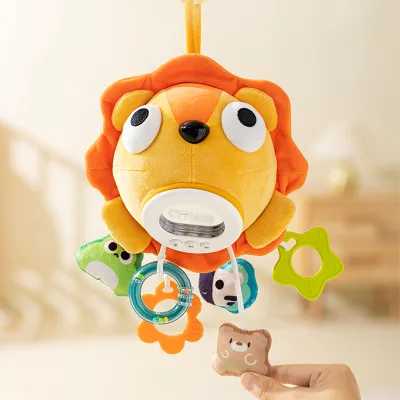


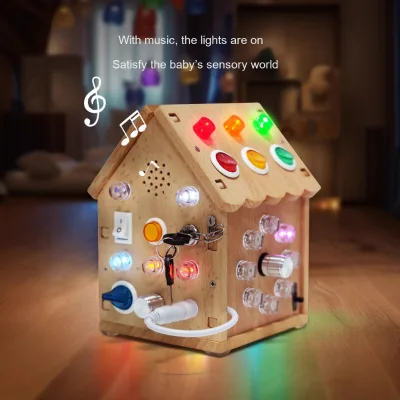



Comprehensive Sourcing Guide
Light and Sound House Play Toy Sourcing Guide
Buyers seeking light and sound house play toys must first distinguish between static role-play structures and interactive electronic units. The market offers distinct categories ranging from simple plastic kitchen scenes designed for pretend play to complex electronic memory games featuring music and light functions. Understanding this distinction is critical, as the supply chain for a basic plastic kitchen set differs significantly from that of an electronic toy requiring battery integration and circuit testing.
Procurement decisions should also account for the specific target age group and functional requirements. Listings indicate products tailored for children aged 2 to 7 years, with some units emphasizing assembly while others focus on immediate pretend play. Buyers must verify whether the desired product includes features like music and light or remains a non-electronic assembly kit, as this determines the necessary safety certifications and packaging complexity required for the final shipment.
Product Scope and Observed Listing Signals
The observed product range includes diverse items such as kitchen-themed play sets and electronic memory games, each serving different developmental needs. Some listings highlight a "Kitchen" scene with cartoon designs intended for unisex pretend play, while others specify "Playing Characters or Scenes" that encourage social interaction. Buyers should note that certain models are designed for assembly, requiring the end-user to construct the play environment, whereas others arrive as fully formed units ready for immediate use.
Packaging and unit configuration vary widely across the available inventory, influencing logistics and retail presentation. Data shows options ranging from single items in color boxes to bulk cartons containing 72 pieces with specific inner box configurations. Some products utilize window boxes or display boxes to showcase the item, while others rely on PVC card head pockets. These variations directly impact the retail display strategy and the volume of packaging material required for the final destination market.
Technical Specifications to Verify
Technical verification must begin with precise dimensional analysis, as product standards and carton sizes differ significantly between models. Buyers should confirm whether the item adheres to specific standard dimensions like 27266.6cm or larger cartons measuring 645483cm, as these figures dictate warehouse space and shipping container utilization. Additionally, the gross and net weights, which can range from 16kg to 27.8kg per unit or carton, are essential for calculating accurate freight costs and ensuring the product meets weight restrictions for specific transport modes.
Material composition and functional attributes require strict validation to ensure the product matches the intended use case. While many items are constructed from plastic, some listings explicitly mention eco-friendly materials, which may be a requirement for specific markets. Buyers must also verify functional claims, such as whether a unit offers "Pretend Play" capabilities or includes electronic features like "Music & Light." Confirming that the product is not foldable or is designed for specific assembly processes prevents mismatches between the ordered specification and the delivered goods.
Compliance and Safety Documentation
Safety compliance is paramount for light and sound toys, particularly those intended for younger children aged 2 to 7 years. Buyers must ensure that suppliers provide valid certification documents, with EN71 being a frequently cited standard for toy safety in the European market. For electronic units, additional certifications such as EN62115 and EN60825 may be required to address electrical safety and laser safety concerns, ensuring the product meets the rigorous regulatory standards of the destination country.
Documentation verification should extend beyond the certificate itself to include the specific scope of the testing. Buyers need to confirm that the provided certificates cover the exact model number and material composition of the ordered batch, as certifications are often model-specific. It is crucial to request the full test report rather than just a certificate summary to verify that the light and sound functions do not pose hazards such as excessive brightness or loud noise levels that could harm a child's hearing or vision.
Cost Drivers and Commercial Terms
Pricing for these toys is influenced by the complexity of the electronic components and the level of customization required. Models featuring music and light functions generally command higher prices than simple plastic play sets due to the inclusion of circuit boards and batteries. Furthermore, the availability of OEM and ODM services allows for brand customization, which can increase costs but offers significant value for buyers seeking to establish a unique market presence with their own branding.
Commercial terms and minimum order quantities (MOQ) are critical factors in the total cost of ownership. Listings indicate MOQs ranging from 144 to 384 pieces, with some suppliers offering flexible terms for smaller initial orders. Buyers must evaluate the price terms, such as FOB, EXW, or CIF, to understand their liability for shipping and insurance. Understanding these terms helps in calculating the landed cost accurately, ensuring that the profit margin remains viable after accounting for logistics and potential duties.
Supplier Qualification and Quality Control
Supplier qualification should focus on their manufacturing location and their ability to handle customized orders. Many suppliers originate from Guangdong, China, a hub known for its extensive toy manufacturing ecosystem and supply chain efficiency. Buyers should verify the supplier's capacity for OEM and ODM services, ensuring they can accommodate specific design requests and branding requirements without compromising on production timelines or quality consistency.
Quality control protocols must be established to mitigate risks associated with mass production. Given that products often come in bulk cartons with specific packing configurations, buyers should implement pre-shipment inspections to verify the integrity of the packaging and the functionality of the electronic components. It is essential to test a random sample from the production batch to ensure that the light and sound features operate correctly and that the plastic materials meet the specified durability and safety standards before the goods are released for shipment.
Long-Term Procurement Checks
Sustaining a successful procurement relationship requires regular audits of the supplier's quality management systems and production capacity. Buyers should schedule periodic reviews to ensure that the supplier continues to meet the agreed-upon standards for materials and safety certifications. This proactive approach helps in identifying potential issues early, such as changes in material sourcing or shifts in production processes that could affect the final product quality.
Market trends and product lifecycle management are also vital for long-term success in this category. As consumer preferences shift towards more interactive or eco-friendly toys, buyers must stay informed about new product developments and technological advancements. Maintaining open communication with the supplier allows for early adaptation to these trends, ensuring that the product portfolio remains competitive and relevant in the evolving children's toy market.
FAQs
What materials are used for light and sound house play toys?
These toys are primarily constructed from durable plastic materials designed for child safety. The product attributes indicate a focus on eco-friendly materials to ensure environmental responsibility. This composition supports the pretend play function while maintaining structural integrity for repeated use by children in various role-play scenarios.
Can these toys include music and light features?
Yes, specific models feature integrated music and light functions to enhance the play experience. These interactive elements are designed to engage children during role-play activities. The inclusion of such features adds entertainment value, making the toy suitable for imaginative play scenarios that stimulate sensory development and cognitive engagement in young users.
What certifications do these toys typically hold?
Manufacturers often provide EN71, EN62115, and EN60825 certifications to ensure product safety. These standards verify compliance with international safety requirements for toys. Buyers should verify specific documentation for each model, as certifications confirm that the materials and electrical components meet rigorous safety benchmarks for children's products.
What is the typical MOQ for these products?
The minimum order quantity varies by model, ranging from 144 to 384 pieces. Some listings indicate an MOQ of 384 units, while others specify 144 units. Buyers should confirm the exact MOQ with the supplier, as it depends on the specific product model, packaging requirements, and customization options selected for the order.
Are customization options available for these toys?
Yes, OEM and ODM customization services are available for many suppliers. Buyers can request custom designs, packaging, or branding to meet specific market needs. This flexibility allows businesses to tailor products to their target audience, ensuring unique offerings that stand out in the competitive children's toy market while maintaining quality standards.
Where are these toys typically manufactured?
Most of these toys are manufactured in Guangdong, China, or other regions within mainland China. This location is a major hub for toy production, offering efficient supply chains and manufacturing capabilities. Buyers can expect consistent quality and competitive pricing due to the established industrial infrastructure and expertise in the region.